STUDY VISITS. REAL BUSINESS OPPORTUNITIES.
A fast-changing rural economy
The food and agriculture sector on both sides of the border is dynamic.
Agricultural output per hectare in Andalucía was €3,600 in 2024.
The average output in Portugal was €3,240.
Behind these figures lies a world of innovation, practical expertise and business opportunity waiting to be explored.
Across southern Spain and Portugal, investment, innovation and cooperation are reshaping food and agriculture.
Andalucía’s agri-food exports have grown by 50% since 2018, while Portugal’s food industry generated €16.7 billion in sales in 2024—making it the country’s largest industrial activity.
On a practical level, out of season flights are plentiful. The airports we recommend for the areas we cover are: Seville, Faro, Lisbon or Malaga.
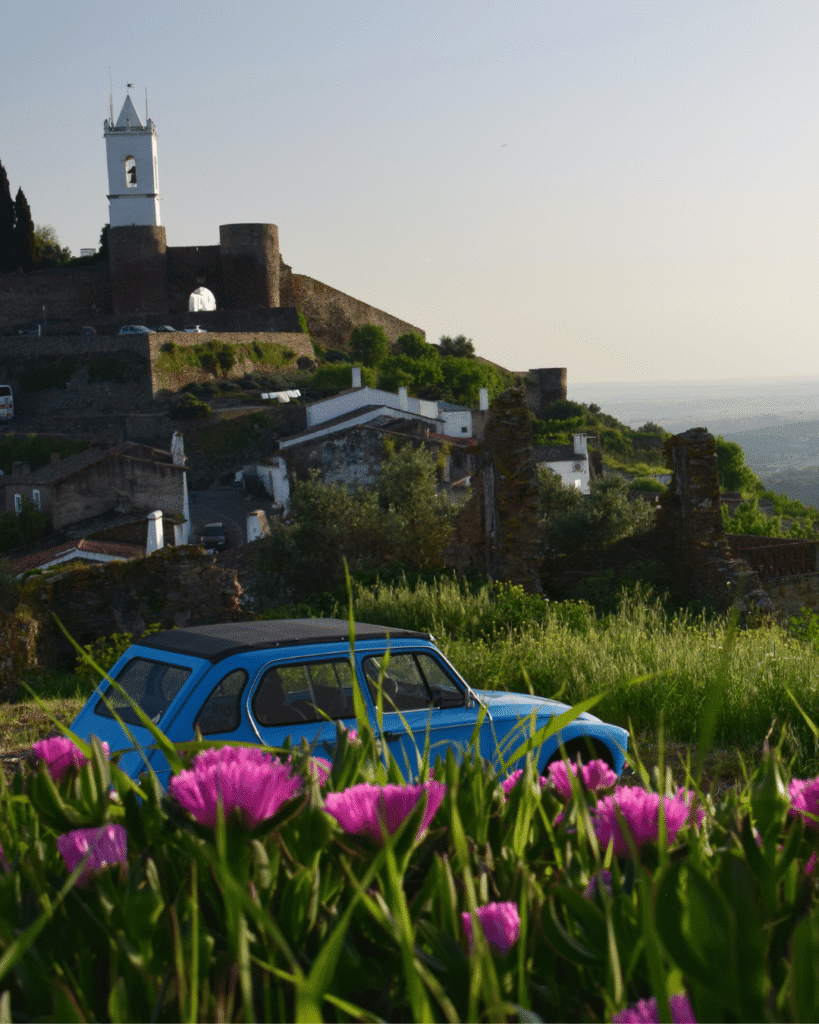
And why wouldn’t you want to sit in front of a roaring oak fire in a beautiful turismo rural in crisp sunny Portugal
With an itinerary to visit two inspirational farms tomorrow.
Before heading over the border into the Spanish sierra for the rest of your journey, and discovering the farms and rural businesses behind the incredible growth statistics.
For a general study tour we suggest 3 full days and a maximum of 5. You can allow days on either side for travelling depending on how flights work out for you.
If you are planning a specialist research project, we can discuss the timeframe with you.
Seasons to visit.. Some ideas before we start planning your trip...
OCTOBER–DECEMBER
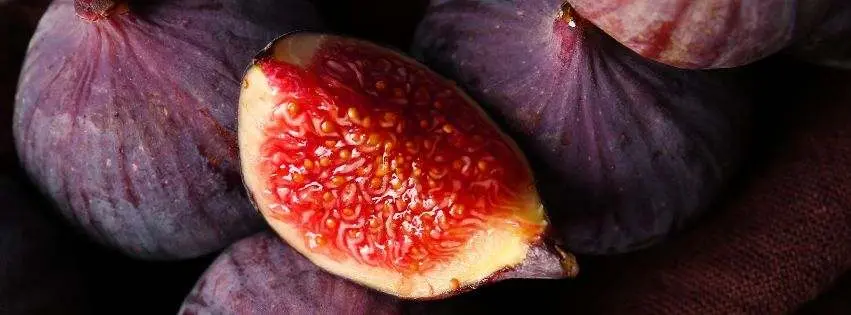
After the Vendimia | Alentejo
Once the intensity of the grape harvest has passed, it’s a great time to visit Alentejo wineries. Producers have more time to talk, while there’s still plenty happening in the cellars.
1–6 OCTOBER 2026
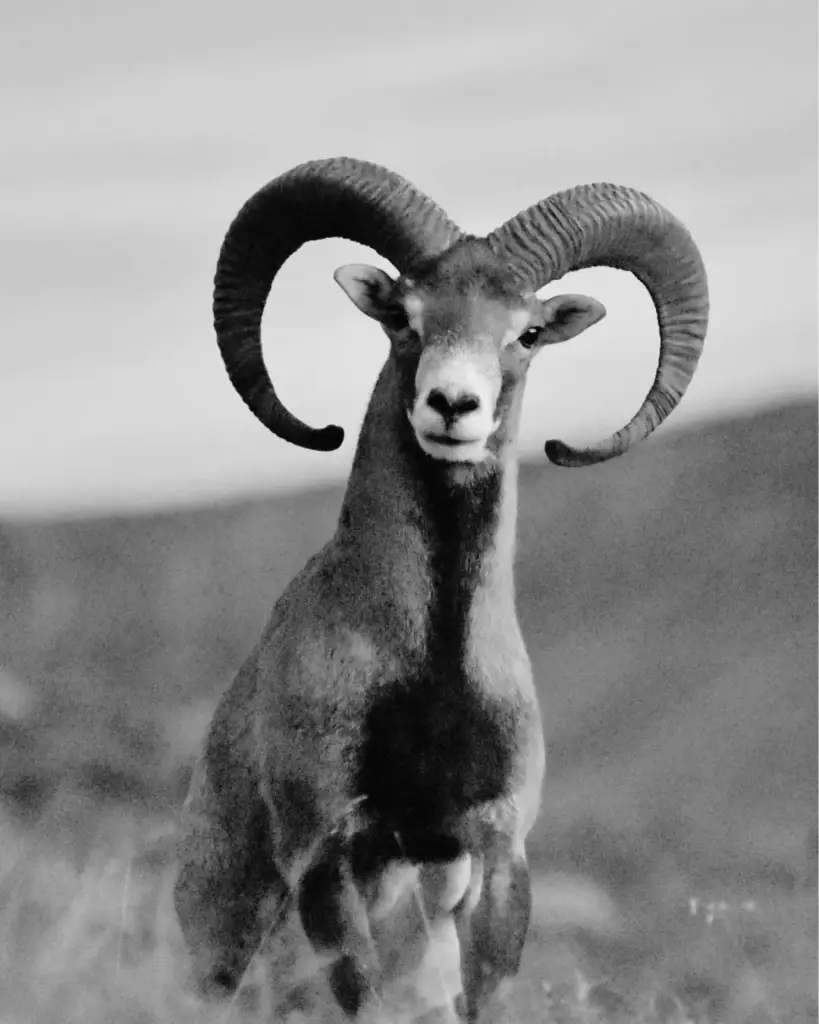
Zafra International Livestock Fair | Extremadura
One of Spain’s major agricultural gatherings, bringing together livestock, farming businesses, machinery and rural industries. An ideal starting point for a wider farming study journey through Extremadura and Portugal.
OCTOBER 2026
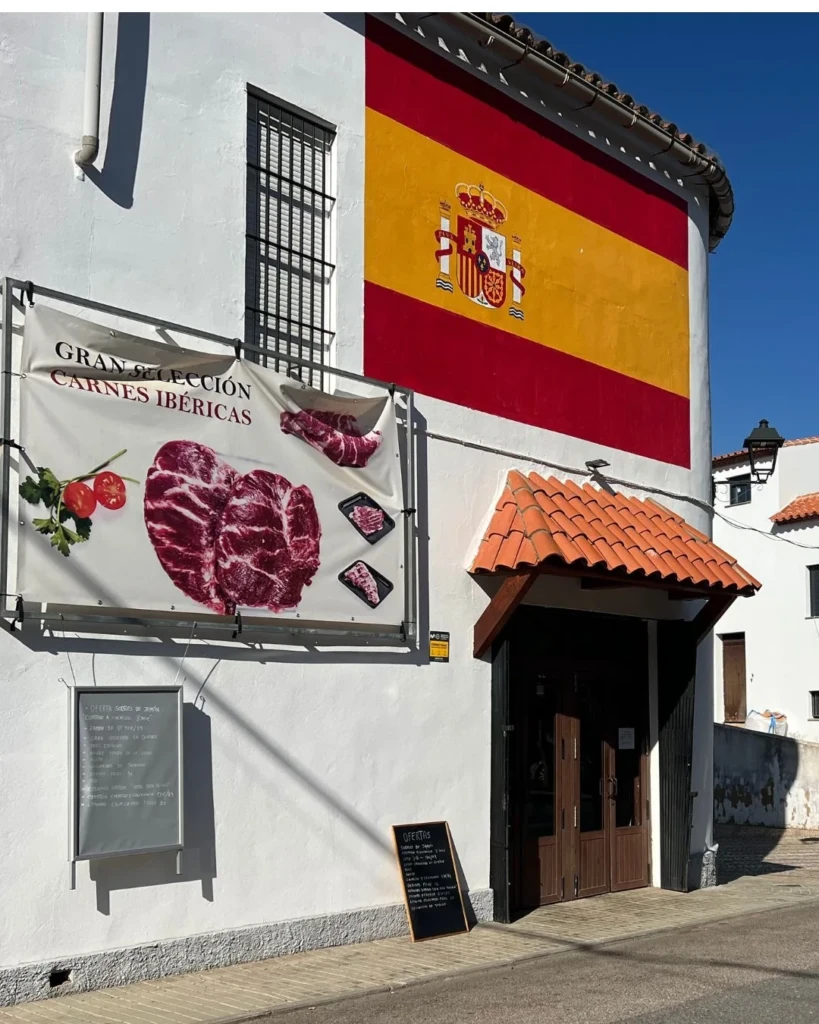
Iberian Ham Fair | Aracena
Meet producers and discover the world behind one of Spain’s most celebrated foods. Combine the fair with visits exploring the Iberian pig, the dehesa, traditional curing and premium food production.
NOVEMBER–DECEMBER 2026
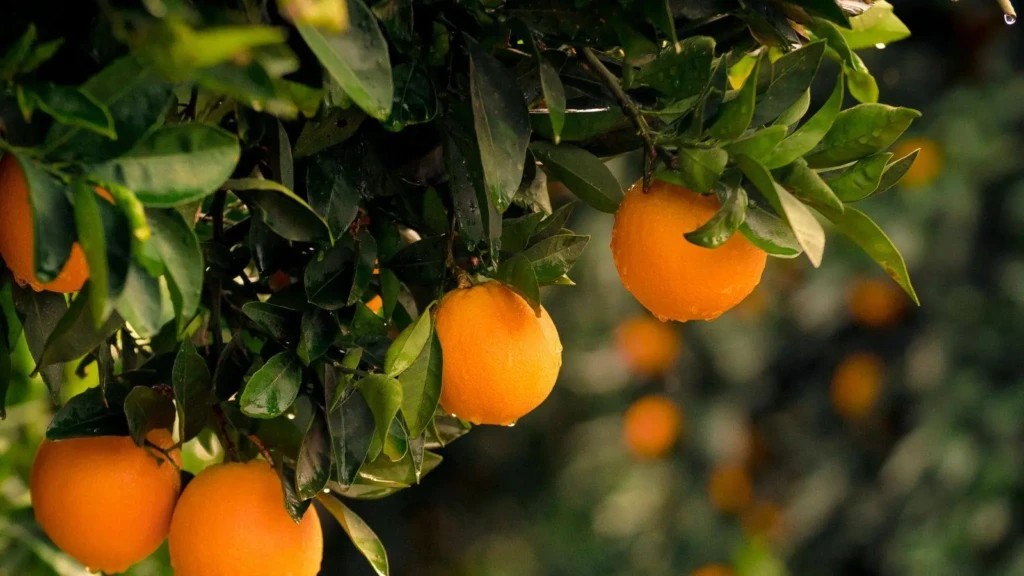
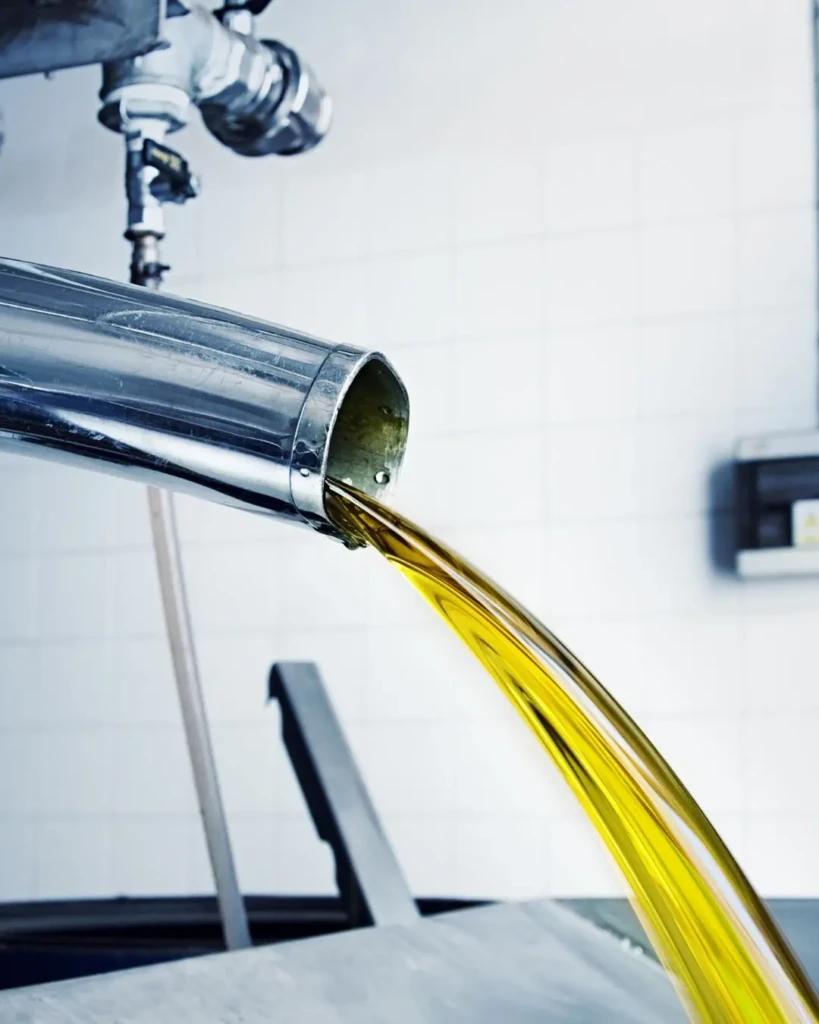
Olive Harvest & New-Season Oil
See the olive harvest in action and visit producers exploring quality, premium branding, direct sales and visitor experiences around one of the region’s oldest crops.
WINTER 2026–27
The Dehesa in Winter
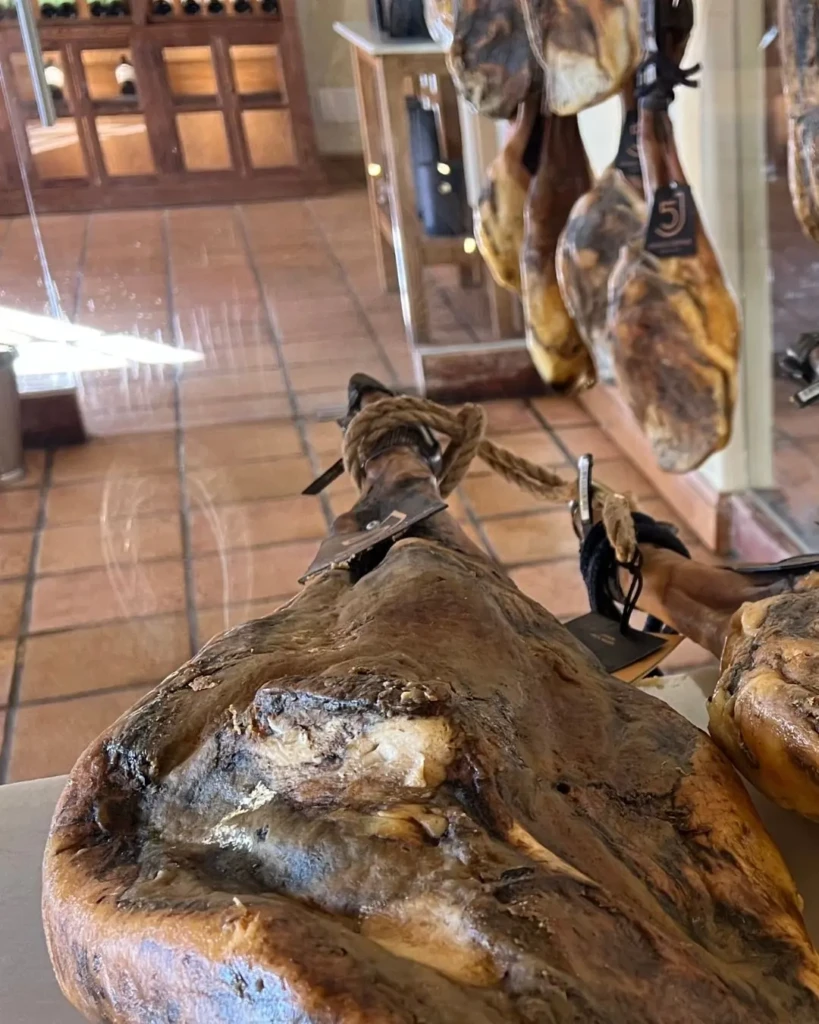
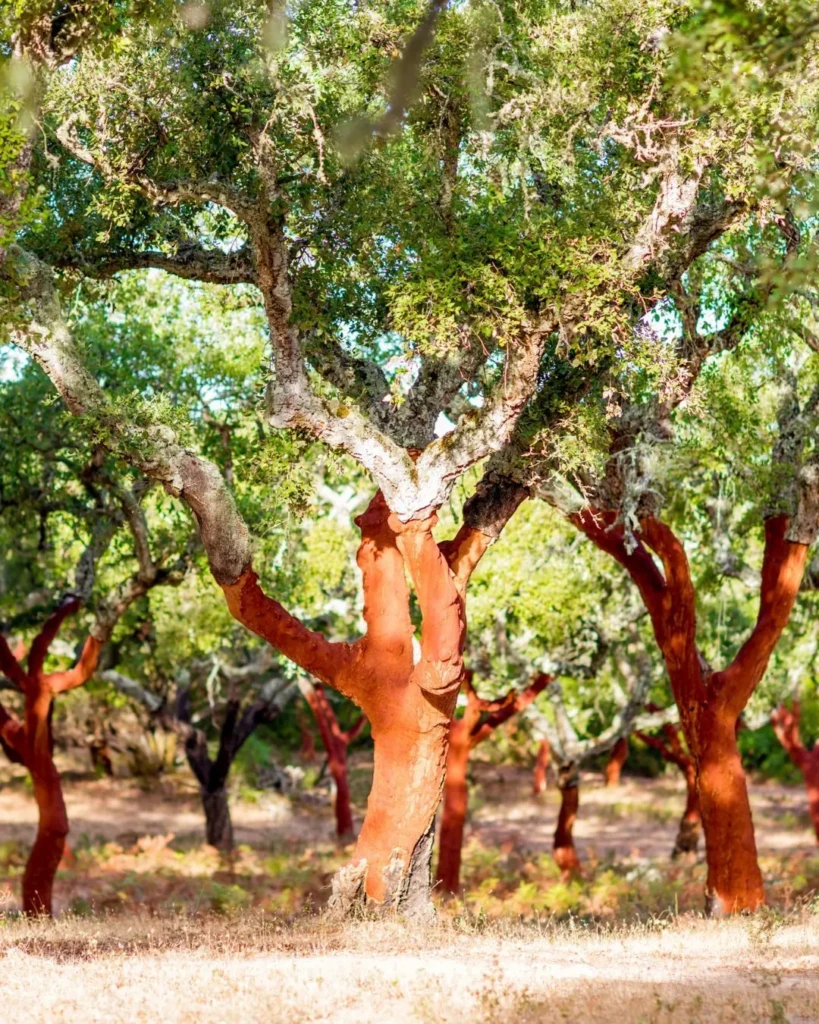
Discover the montanera, when Iberian pigs graze beneath the holm and cork oaks feeding on acorns. An opportunity to understand the farming system behind premium jamón ibérico de bellota.
MARCH 2027
Zafra Spring Fair | Extremadura
A spring gathering with a strong focus on livestock, breeds and the dehesa. Particularly interesting for farming groups looking at livestock production and traditional grazing systems.
Spain and Portugal, businesses are approaching familiar challenges in different ways — adding value to what they produce, finding new income streams and adapting to a changing climate.
We’ll help you discover the businesses, people and ideas most relevant to your own challenges, interests and ambitions.
A CULTURE OF COOPERATION AND INNOVATION
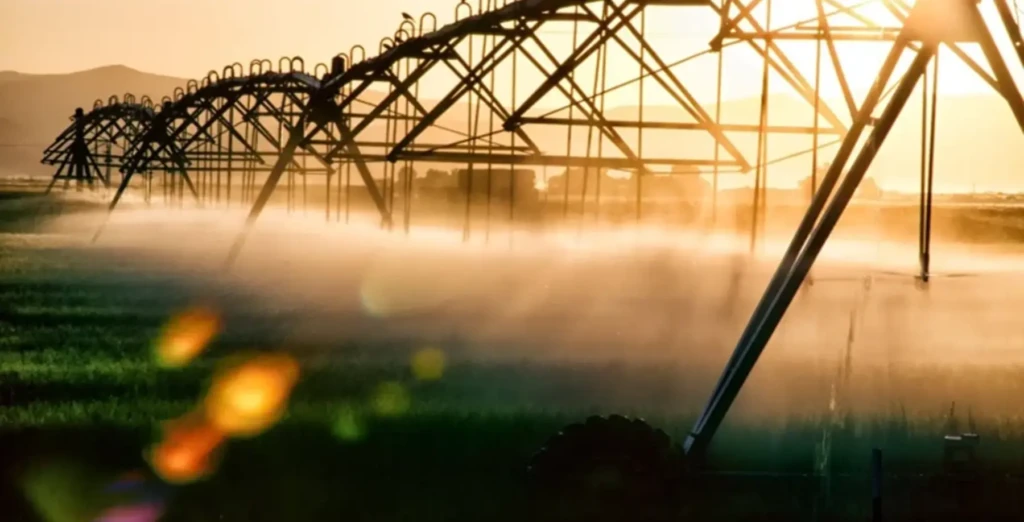
Agriculture here has long been built on cooperation. Andalucía’s 617 federated agricultural cooperatives bring together more than 340,000 farmers and livestock producers and generated €12.27 billion in turnover in 2024.
The region is also willing to test new approaches. Almost 30% of Andalucía’s utilised agricultural land was organic in 2024, while Portugal’s share exceeded 20%.
Producers, researchers and food businesses are exploring how agricultural by-products can become animal feed, crop biostimulants and other valuable resources. Science also helps protect the value of traditional products: the fatty-acid composition of Iberian pig fat can be analysed to provide evidence about how the animals were fed.
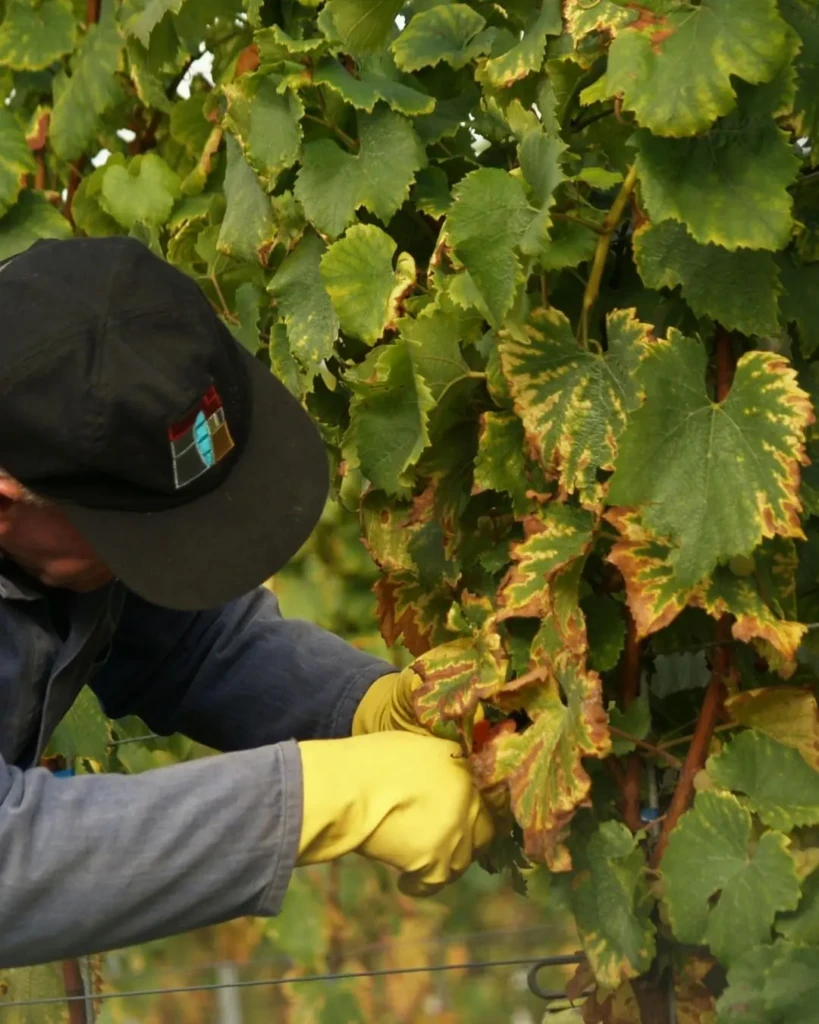
Farmers, food businesses, researchers and rural organisations in Spain and Portugal already work together—often with partners elsewhere in Europe and beyond.
A study visit gives you direct access to the farms, businesses and organisations behind this work. You can explore how cooperatives are structured, how agricultural by-products find new markets, how producers prove quality and how partnerships are built. You may also identify potential suppliers, customers, research partners or collaborators for future projects.
Your Group Itinerary
We design agricultural study tours, fact-finding missions, trade missions and technical programmes in Spain and Portugal. Each programme is developed around the group’s objectives, interests, available time and budget.
- Study tours: broader learning and exchange between farmers and agricultural businesses.
- Fact-finding missions: investigating a defined opportunity, technology, production system or business question.
- Trade missions: exploring suppliers, customers, partners and other potential commercial relationships.
- Technical programmes: in-depth visits focused on subjects such as dairy nutrition, water management, climate adaptation, processing or agricultural research.
How we plan your group journey
1. Start with a free discovery call
You tell us about your initial ideas and what your group is hoping to gain from the journey.
This no pressure call allows both of us to decide whether Slow Lane Spain is the right fit for you. You don’t need to have everything worked out before this call. We can help you explore what is possible.
2. Develop your journey with us
The next step is a one-hour planning call where we get into the detail. We will talk about your group, your preferred dates, the subjects you want to explore. You can let us know about any particular challenges or questions within your industry.
Using that information, we will develop a suggested journey for you. This can include:
Your proposed route and accommodation options.
Transport quotes and details.
The farms and businesses we recommend on each day.
Details of where you will need translation and where good english is spoken.
Whether you would like us to accompany you for part or all of your journey.
Suitable arrival and departure airports and flight options
Prices for taking your group journey through this planning stage start from €600. At the end of it, you will have a carefully researched plan, in a downloadable PDF document, that you can use as the basis for organising the journey yourself.
3. We can arrange your journey
If you would like us to take the planning further, we can go ahead and arrange the visits, accommodation and transport for you.
We can also accompany your group throughout the journey or join you for the particular days and visits where local support, introductions or translation will be most valuable.
The cost of this stage will depend on the size of your group, the length of the journey and how much help you would like from us. We will discuss the options with you and provide a clear quotation before making any arrangements.
What about flights?
We do not generally book individual flights, but we will research suitable options and design your itinerary around realistic arrival and departure times.Some airlines offer a group-booking service. If this would be helpful, we can investigate the available options with you.
Independent study visits for individuals and small teams
A personalised journey designed around you. It’s suitable for groups of up to 5 people. (You will need to hire a car from the airport where you are starting.)

We begin with a one on one planning call.
This is where you can tell us about your own farm or business.
We want to understand the decisions you are making for your business in the coming months.
You can let us know the goals you have for this journey.
You may already have dates or a destination in mind, or you may want us to help you decide where to begin.
We will then choose businesses and visits around your interests and create a personalised route through Spain, Portugal or both.

Everything will be brought together in a detailed itinerary. This will include:
Your route and recommendations for accommodation. (This can be an important part of the plan if you are involved in rural tourism)
We also come up with recommendations for places to eat. Again this can be inspirational – for example a restaurant on a farm, which has turned its innacesible location into a selling point. We generally recommend 2 businesses to visit each day of your study tour. We will make up to 2 calls ahead on your behalf – to make tricky reservations or get past a language barrier.
Within your itinerary we give you a brief of questions to ask specific businesses to get the most out of each experience. You will receive your itinerary as a PDF download to take with you on your travels. You will book the flights yourself – but we will help you research suitable flights for your planned route. Give us a call to find out more.
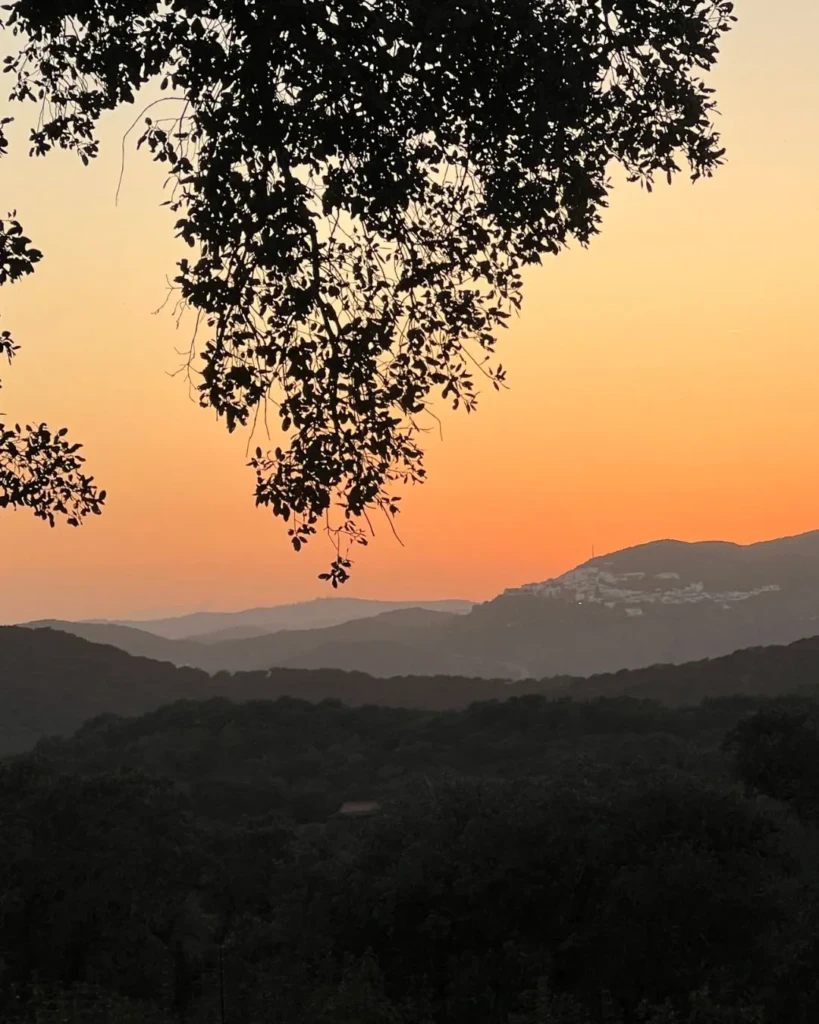
Wake up to views like these in the Sierra de Aracena. Home to the famous acorn and grassfed jamon
Fly into Seville, Faro, Lisbon or Málaga and we'll help you plan your journey from there.

LET'S SEE WHERE IT LEADS
Tell us a little about your business, what you’d like to explore and how you’d like to travel. We’ll help you work out the best way to begin.
Call Heather on +44 7801 335118
Email contact@slowlanespain.com
WhatsApp +351 925 616 222
Some of the places to discover along your route



What could you discover?
Every journey starts with the questions that matter to you. These are just some of the ideas and challenges we could explore together.
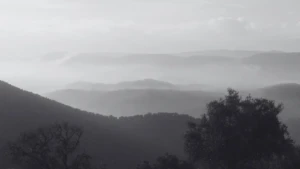
1. What could your next chapter look like?
A farm can become a place to stay. A winery can become a destination. A food producer can sell an experience as well as a product.
New income does not always mean starting again. Across rural Spain and Portugal, people are building businesses around land, buildings, skills and stories they already have—from accommodation and farm shops to restaurants, events and visitor experiences.
Meet the people who have made these ideas work, understand what was involved and consider what could be adapted for your own business. What could your next chapter look like?
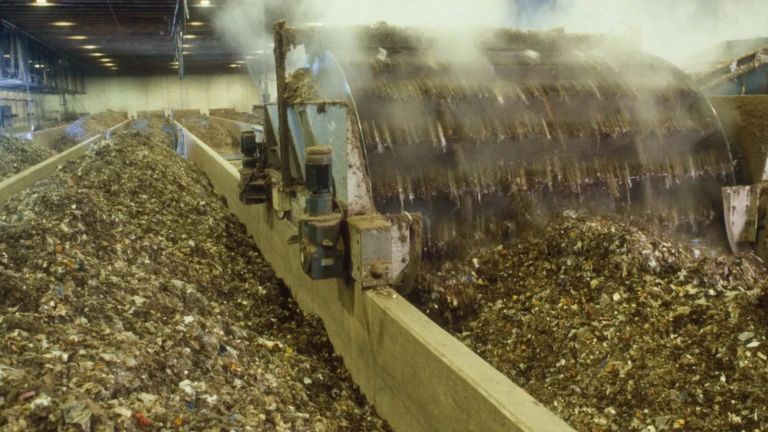
2. Where could a new connection lead?
One business’s overlooked by-product could be another’s animal feed or raw material. A producer looking for a new market could meet a buyer searching for something distinctive. A business with an idea could find the technical or research partner needed to test it.
A study visit can be designed around connections as well as ideas. We can help you meet potential suppliers, customers, researchers and collaborators whose needs or expertise complement your own—opening the possibility of new networks, supply relationships and projects that create value for both sides.
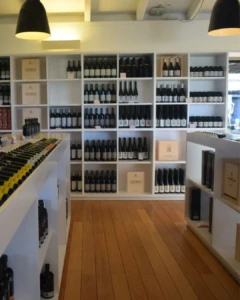
3. How do you create more value from what you already have?
Growing or producing something is only the beginning. Across Spain and Portugal, businesses are creating more value through processing, ageing, branding, provenance, direct selling and visitor experiences.
Follow the journey from grapes to wine, milk to cheese, olives to premium oil or livestock to celebrated regional foods. See where value is added, how quality is demonstrated and how producers work together to reach new customers and markets.
Where along your own journey from producer to customer could you capture more value?
Got an idea in mind?
Tell us a little about what you’d like to explore and when you’re thinking of travelling.
- Call on +44 7801 335118
- Email contact@slowlanespain.com
- WhatsApp +351 925 616 222